In the heart of the dynamic and modern city of Da Nang, there is a quiet space, which is the Da Nang Museum of Cham Sculpture. This place is not only a unique architectural work but also a priceless treasure, preserving hundreds of sandstone sculptures, demonstrating the sophistication and cultural depth of the ancient Champa kingdom. Let’s explore the Da Nang Museum of Cham Sculpture with Hoi An taxi, a must-see destination to learn more about Vietnam’s rich cultural heritage.
Location and History about Da Nang Museum of Cham Sculpture
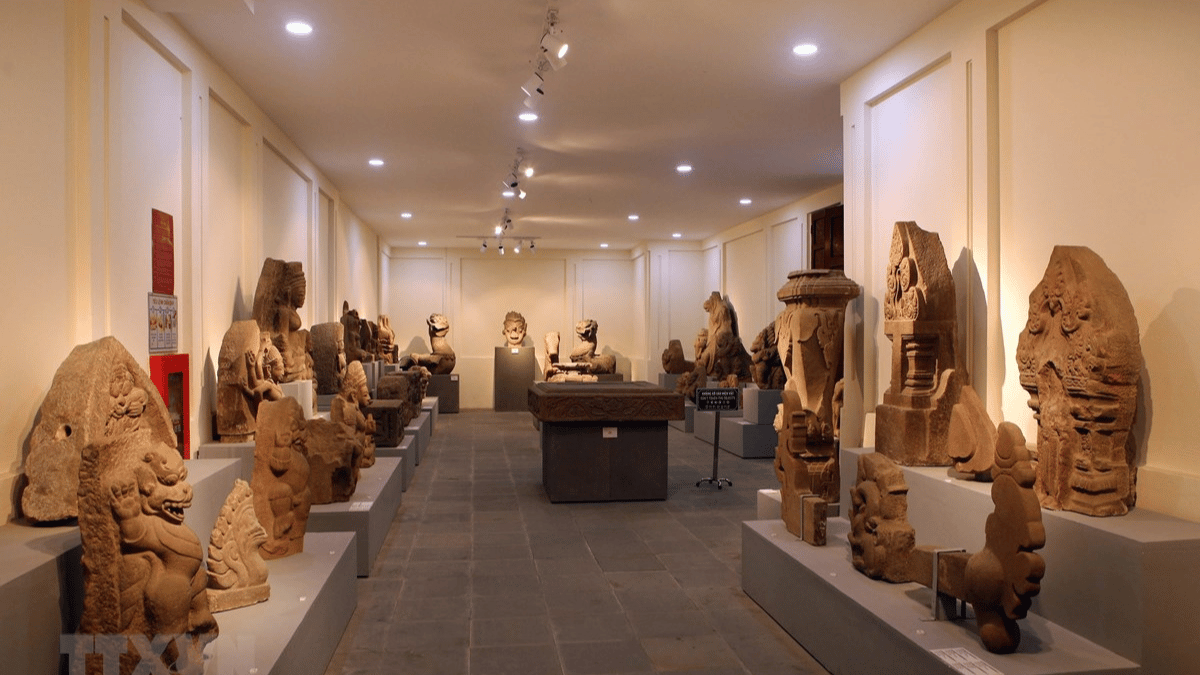
- Located: No. 02, 2/9 Street, Hai Chau District, Da Nang City. This location is right in the city center, near the Dragon Bridge and the Han River, very convenient for tourists to visit.
The idea of a museum dedicated to Cham sculpture was conceived in the late 19th century by French archaeologists. They realized the need to collect, preserve and display Cham sculptures discovered scattered in many places across Vietnam. In 1915, the construction of the museum began, and in 1919, the museum officially opened to visitors. The original design of the museum was carried out by two French architects, Henri Parmentier and Charles Lemire, in the traditional Cham architectural style combined with some classical French architectural elements, creating a harmonious and unique whole.
Initially, the museum was called “Musée Henri Parmentier” to honor the eminent archaeologist Henri Parmentier, who made great contributions to the research and collection of Cham artifacts. Later, the museum was renamed the Da Nang Museum of Cham Sculpture, a short and easy-to-understand name that accurately reflects the main function and content of the museum.
Entrance fee to Da Nang Museum of Cham Sculpture
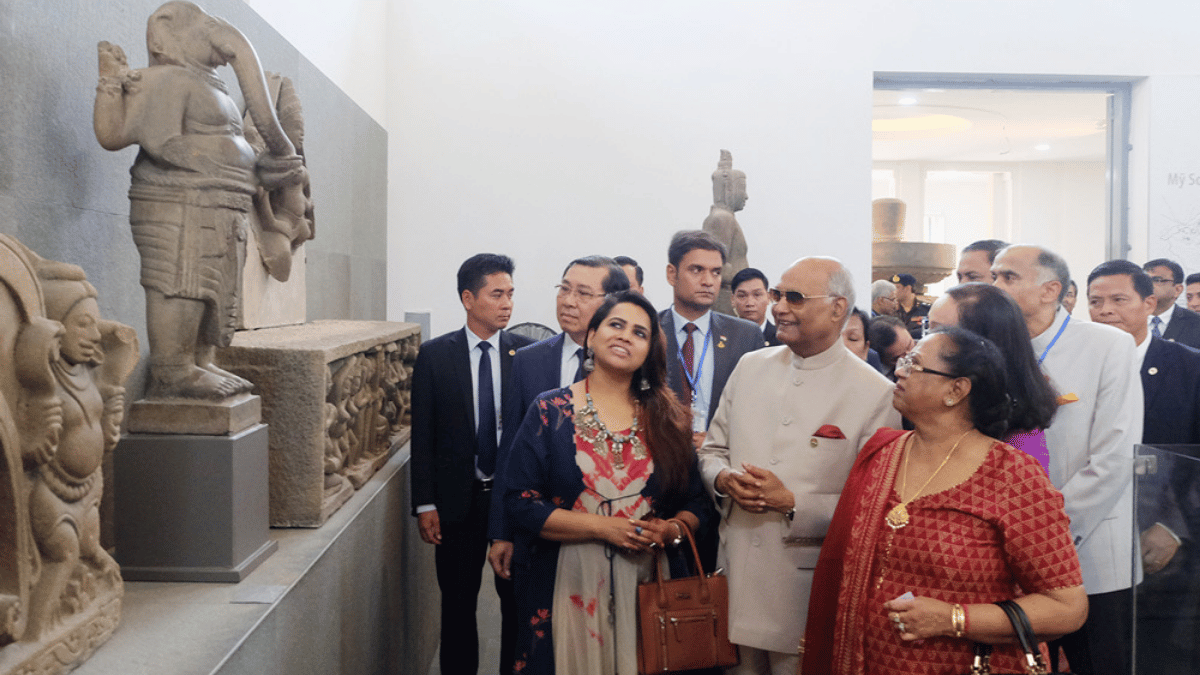
To make your visit to the Da Nang Museum of Cham Sculpture go smoothly, it is necessary to have a clear understanding of the ticket prices. Below is detailed information about the entrance fees at the Da Nang Museum of Cham Sculpture:
Admission fee:
- Adults: 60,000 VND/person/time.
- Students under 16 years old or children under 6 years old: Usually free admission. Students participating in the museum’s educational programs may also be exempted.
Opening hours: 7am to 5pm daily
In addition to admission tickets, the museum can provide additional services such as:
Audio guides in multiple languages (Vietnamese, English, French) via the museum’s free Wi-Fi. This is a convenient way to learn more about each artifact without having to pay extra for a tour guide.
Hire a tour guide:
- Applicable subjects: For groups of 5 or more, listening to audio guides in the following languages: Vietnamese, English, French;
- Applicable time: From 7:30 am – 11 am and from 2 pm – 5 pm daily;
Note:
- The department will stop accepting groups registering at the counter before 10 am in the morning and before 4 pm in the afternoon to ensure the minimum time for the explanation according to the itinerary;
- Groups requiring an English or French tour guide must make an appointment with the museum at least 3 days in advance
 When planning to explore Hue, Da Nang and Hoi An, choosing a private car gives you absolute flexibility in your itinerary: you can depart at any time, stop anywhere without worrying. Moreover, with a professional driver who knows the terrain, you will switch conveniently and safely, saving a lot of time and effort to drive yourself or rely on other convenient means of transport. When planning to explore Hue, Da Nang and Hoi An, choosing a private car gives you absolute flexibility in your itinerary: you can depart at any time, stop anywhere without worrying. Moreover, with a professional driver who knows the terrain, you will switch conveniently and safely, saving a lot of time and effort to drive yourself or rely on other convenient means of transport.
|
Unique Architecture of the Cham Museum
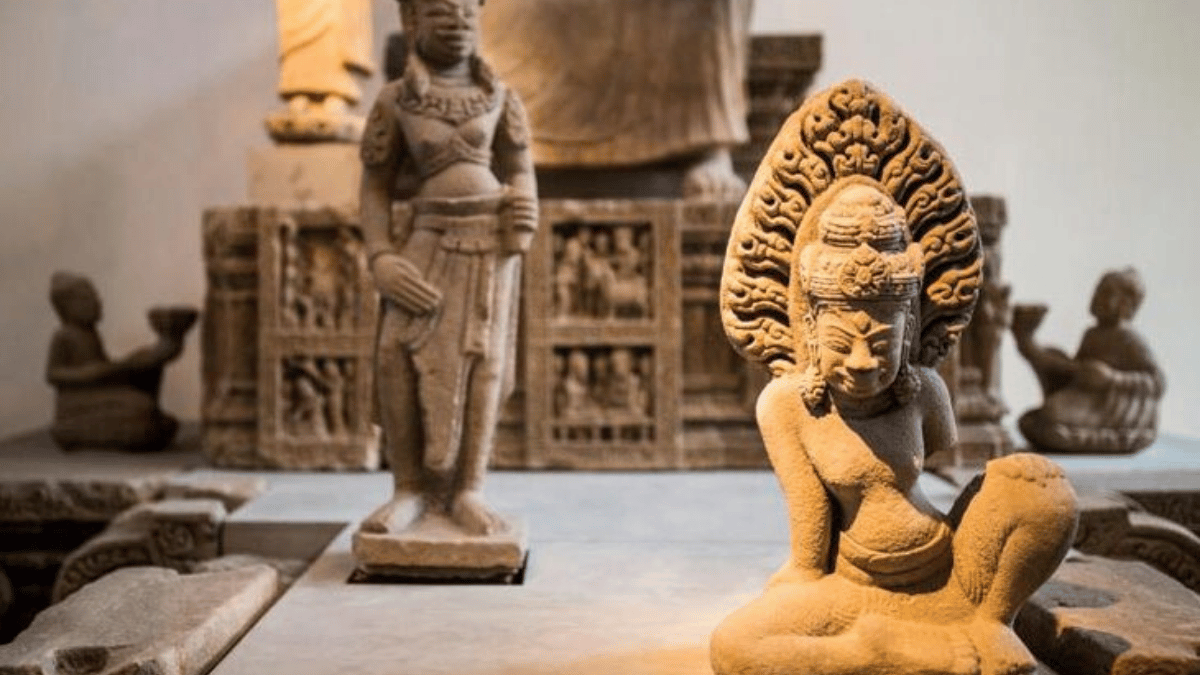
The first special thing when setting foot in the Da Nang Museum of Cham Sculpture is its architecture. The museum building is built of bricks with a dominant yellow-brown tone, evoking the image of ancient Cham temples and towers. The sloping roof, windows and ventilation systems are designed to take advantage of natural light and air circulation, creating an airy exhibition space.
The decorative motifs on the walls and pillars of the museum are also inspired by Cham sculpture patterns, such as images of gods, mascots, and plant motifs. This not only adds to the aesthetics of the building but also helps visitors feel the Cham cultural atmosphere right from the outside. Despite having undergone many renovations and expansions, the original architecture of the museum is still preserved almost intact, a testament to the sophistication in design and respect for historical values.
Huge Collection of Artifacts
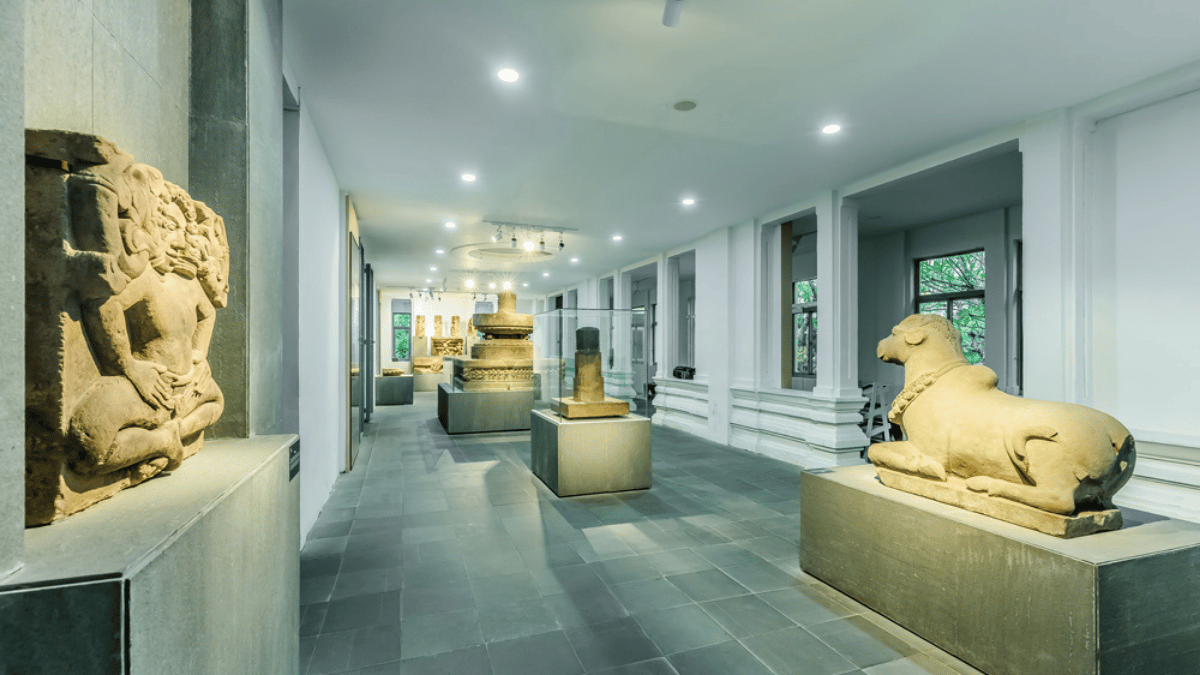
The Da Nang Museum of Cham Sculpture currently houses the largest collection of Cham artifacts in Vietnam and is considered one of the most important collections in the world. Most of the artifacts on display at the museum are sandstone sculptures, dating from the 7th to the 15th century, found at ancient Cham sites throughout Central Vietnam, from Quang Binh to Binh Thuan.
The collection is organized into different rooms, corresponding to the lands where the artifacts were discovered such as Tra Kieu, Dong Duong, My Son, Thap Mam, Khuong My, etc. This arrangement helps visitors easily follow the development of Cham sculpture through different periods and styles.
The artifacts are mainly statues of gods, reliefs, altars, linga and yoni. The gods depicted include Hindu gods such as Shiva, Vishnu, Brahma, Ganesha, and Buddhist gods. Each sculpture has a profound religious meaning, reflecting the beliefs and concepts of the universe of the ancient Cham people.
Highlights of Cham Sculpture Art
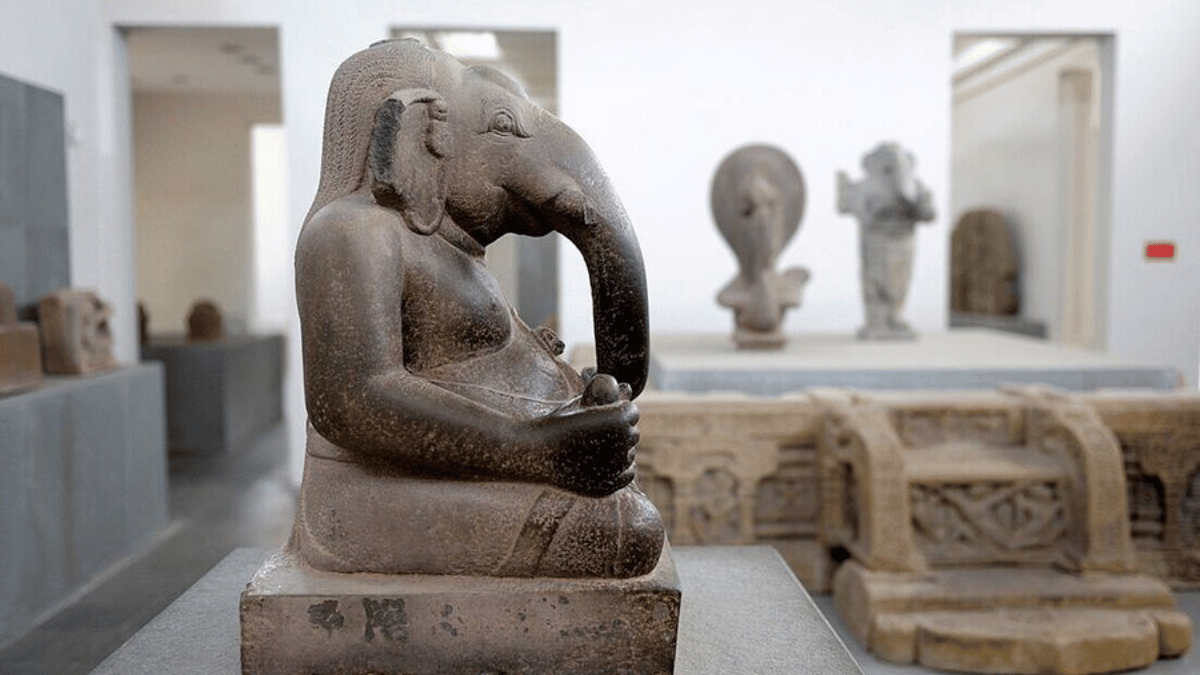
When exploring the Da Nang Museum of Cham Sculpture, visitors will notice the outstanding features of Cham sculpture art. It is a harmonious combination of natural elements and divine elements. The images of people, animals, and plants are meticulously carved, vivid, but at the same time also full of symbolism and mystery.
Another highlight is the expression in each line. Whether it is a majestic god or a graceful dancer, the works exude a unique beauty, a hidden message. In particular, the statues of Apsara dancers with soft, graceful dances are one of the most famous symbols of Cham art.
The Cham people’s sculpting techniques are also admirable. With rudimentary tools, they created highly detailed works with delicate lines on hard sandstone. This shows the extraordinary technical level and patience of ancient Cham artisans.
Notes When Visiting the Cham Sculpture Museum
The museum is a place to display historical, cultural and spiritual artifacts. Therefore, you should choose polite and modest clothing. Avoid wearing clothes that are too short or revealing to show respect for the space and the artifacts on display.
Most museums, including the Cham Sculpture Museum, allow visitors to take photos to preserve memories. However, always turn off the flash to protect the artifacts, as flash light can damage them over time. In some special areas or with some rare artifacts, there may be signs prohibiting photography. Please respect and comply with these regulations.
Walk gently, speak softly: The museum is a space that needs to be quiet so that visitors can focus on admiring and learning. Avoid making noise or running around, especially if you are with children.
- Do not touch the artifacts:
This is the most important rule. Cham sculptures are hundreds, even thousands of years old, and are very susceptible to damage. Direct touching can cause wear, dirt, or irreversible damage.
- Do not bring food or drinks into the display area:
This helps maintain hygiene and avoids dirtying or attracting insects that can damage the artifacts.
The Da Nang Museum of Cham Sculpture is not only a tourist destination but also a living testament to a brilliant culture that once existed in the Central region of Vietnam. Coming to the Da Nang Museum of Cham Sculpture, visitors not only admire exquisite works of art but also have the opportunity to learn deeply about the history, beliefs, and people of Champa.

